How to Select Silicon Carbide Heating Rods for Industrial Kilns
How to Select Silicon Carbide Heating Rods for Industrial Kilns? Specs is a key question for alloy manufacturers seeking stable heat, long service life, and energy efficiency. Choosing the right SiC heating rods depends on kiln temperature, atmosphere, dimensions, and operating cycles. With decades of production experience, Jia Xin Carbide helps industrial users match reliable heating elements to demanding kiln applications.
In alloy processing, heating element selection directly affects furnace uniformity, oxidation control, cycle stability, and maintenance cost. A mismatch in rod diameter, hot zone length, resistance range, or installation method can shorten service life and lead to unstable thermal performance during sintering, heat treatment, melting support, or preheating stages.
For buyers comparing specifications, the practical goal is not simply to buy a silicon carbide rod that reaches a target temperature. The right decision is to choose a rod configuration that works consistently under the kiln’s actual thermal load, atmosphere, and duty cycle, while fitting the furnace structure and replacement schedule.
Key Selection Criteria for Silicon Carbide Heating Rods in Alloy Kilns
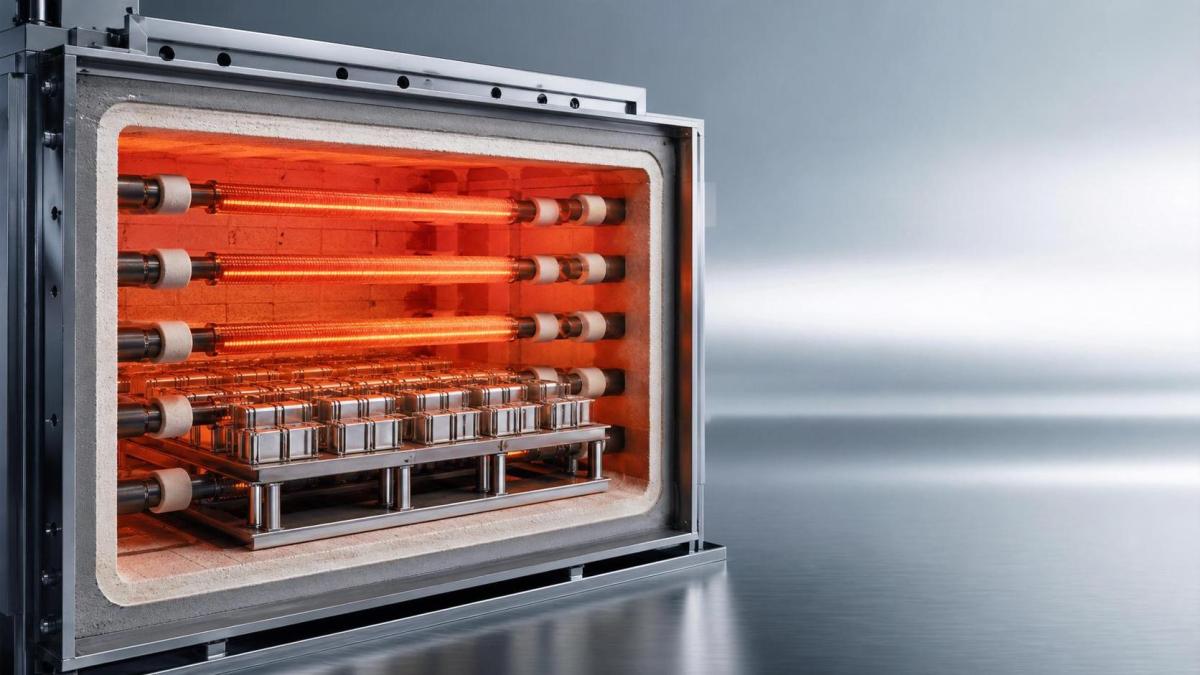
Industrial alloy kilns often operate between 800°C and 1,550°C, depending on the process. Within that range, silicon carbide heating rods are widely used because they offer high surface loading capability, fast heat response, and reliable performance in continuous or intermittent firing environments.
Before confirming specs, purchasing teams should review 4 basic conditions: operating temperature, furnace atmosphere, chamber dimensions, and production cycle frequency. These 4 variables determine whether standard SiC rods are suitable or whether a custom configuration is needed for better durability and electrical matching.
Temperature Range and Heat Load
The first question is the actual working temperature of the kiln, not just the rated furnace maximum. If an alloy kiln is designed for 1,400°C but normally runs at 1,220°C, the heating rod selection should be based on the stable operating range, heat loss, and warm-up speed rather than the peak design limit alone.
In practice, engineers also calculate power density. If the kiln needs frequent ramping within 60 to 120 minutes, the rods must support both thermal shock resistance and enough wattage reserve. Undersized rods may cause slow recovery after door opening, while oversized rods can increase local overheating risk.
Why rated temperature alone is not enough
A rod that can withstand high temperature is not automatically the best option for alloy production. Heat transfer depends on chamber size, insulation efficiency, batch density, and load arrangement. A compact furnace treating small alloy parts may need very different rod spacing than a long tunnel kiln processing heavy fixtures.
Kiln Atmosphere and Chemical Compatibility
Atmosphere selection matters because silicon carbide rods behave differently in air, mildly reducing atmospheres, and certain corrosive vapor conditions. Many alloy kilns operate in oxidizing or controlled air environments, but some applications involve metal vapors, sulfur traces, or process by-products that may accelerate degradation.
When kiln atmosphere includes aggressive compounds, buyers should discuss protection strategy, element placement, and maintenance intervals in advance. Even a well-sized rod can lose performance early if the furnace atmosphere causes abnormal surface reaction or if volatile contaminants settle on the hot zone.
Dimensions, Resistance, and Installation Layout
Spec selection usually includes outer diameter, hot zone length, cold end length, center distance, terminal form, and resistance tolerance. Common dimensional control targets in industrial orders may require millimeter-level consistency, especially when replacement rods must fit existing kilns without modifying holders or power connections.
For multi-zone alloy furnaces, resistance matching is especially important. A noticeable deviation between rods can lead to uneven current distribution, creating hot and cold spots. In many kiln retrofits, checking the original voltage, transformer capacity, and wiring mode saves both installation time and restart risk.
The table below shows a practical framework for matching silicon carbide heating rod specs to common alloy kiln conditions.
For alloy manufacturers, the most common mistake is evaluating only one parameter. Real kiln performance comes from balancing temperature, geometry, resistance, and atmosphere together. That is why spec confirmation should be treated as a system-level decision rather than a simple part replacement.
How to Match SiC Heating Rod Specs to Specific Alloy Processes
Different alloy operations place different demands on heating elements. The best silicon carbide heating rods for a billet preheating furnace may not be ideal for powder metallurgy sintering, brazing support, or laboratory-scale alloy treatment. Process temperature and cycle rhythm both change the preferred specification.
Batch Kilns vs Continuous Kilns
Batch kilns usually experience more frequent thermal cycling, door opening, and load changes. In these systems, rods should be selected with attention to thermal shock tolerance and recovery speed. Continuous kilns, by contrast, often prioritize long-term uniform radiation and stable electrical balance over many days or weeks of operation.
If a batch furnace runs 3 to 8 cycles per day, thermal stress on the rods may be higher than in a continuous line operating near steady state. This difference affects not only service life expectations but also the recommended spare quantity and maintenance planning.
Applications in the Alloy Industry
In alloy manufacturing, silicon carbide heating rods are commonly used in heat treatment furnaces, holding kilns, preheating stations, and certain sintering lines. The element design should match whether the process emphasizes fast ramping, soaking accuracy, atmosphere sensitivity, or repeated loading with dense metal components.
For example, a furnace treating small stainless or nickel-based alloy parts may require closer thermal uniformity across multiple shelves. A larger chamber for cast alloy components may need higher total power and carefully distributed rod positions to prevent cold edges and center overheating.
Typical buying checklist
- Confirm normal working temperature and maximum design temperature.
- Measure hot zone length, cold end length, diameter, and terminal spacing.
- Check voltage, phase arrangement, and existing transformer capacity.
- Review atmosphere conditions, including oxidation or contaminant exposure.
- Estimate cycle frequency per day and target replacement interval.
- Prepare furnace drawings or photos for dimensional verification.
The next table summarizes how typical alloy kiln operating patterns influence spec priorities and purchasing decisions.
This comparison shows that “How to Select Silicon Carbide Heating Rods for Industrial Kilns? Specs” is not answered by one universal size. The right specification depends on how the alloy kiln is used every day, how often it cycles, and how much production interruption the plant can tolerate.
Common Specification Mistakes and How to Avoid Them
Many purchasing issues appear after installation, not before ordering. In most cases, the problem is not product category selection but incomplete spec communication. A few missing measurements or electrical details can delay replacement, reduce output, or create early failure conditions inside the kiln.
Mistake 1: Ordering by old sample only
Using an old rod as the sole reference is risky, especially if the original element had already deformed, oxidized, or been replaced with a non-standard substitute. A proper check should include at least 6 items: diameter, hot zone, cold end, total length, resistance, and terminal configuration.
Mistake 2: Ignoring resistance growth over service time
Silicon carbide heating rods gradually change resistance during use. If the power system does not allow adjustment, the furnace may show slower heating after months of operation. Buyers should therefore consider not only initial resistance but also how the power control system manages long-term operating changes.
Mistake 3: Overlooking kiln atmosphere contamination
In alloy processing, metal splash, dust, flux residue, or chemical vapor can affect rod surfaces. If contamination is expected, maintenance planning should include more frequent inspection, such as every 2 to 4 weeks in severe environments, rather than relying on a fixed yearly replacement assumption.
Mistake 4: Replacing single rods without matching the set
In multi-element furnaces, mixing heavily aged rods with new rods can unbalance current and zone temperature. In some cases, replacing a matched group is more stable than replacing one rod at a time. This is especially relevant when alloy product quality depends on narrow temperature deviation across the chamber.
Risk-reduction steps before purchase
- Record actual working temperature and cycle frequency for at least 3 recent production runs.
- Confirm mechanical dimensions from kiln drawings, not only from worn parts.
- Check electrical data, including voltage and connection mode.
- Describe the kiln atmosphere and possible contaminants clearly.
- Discuss whether full-set replacement or partial replacement is more suitable.
These steps reduce procurement uncertainty and help align specifications with process reality. In alloy plants, even a 1-step omission during spec confirmation can lead to several days of avoidable downtime if the rods arrive with incorrect dimensions or unsuitable electrical characteristics.
Supplier Support, Customization, and Long-Term Value
A reliable supplier does more than ship heating rods. For industrial kiln users, the better partner helps confirm specifications, review application details, and reduce trial-and-error ordering. This is particularly valuable when the furnace is custom-built, retrofitted, or used for alloy processes with demanding temperature stability requirements.
Liao yang jia xin carbide co ltd has specialized in developing, manufacturing, and selling SiC heating elements, Mosi2 heating elements, silicon carbide protective pipes, and graphite products. Established in 2007 and backed by more than 20 years of production experience, the company serves industrial users in the USA, Germany, France, Poland, Spain, Turkey, Russia, Ukraine, Japan, Korea, Singapore, Vietnam, Thailand, Iran, and other markets.
What alloy buyers should ask a supplier
A good inquiry should include 5 practical points: application temperature, furnace drawing, element dimensions, voltage data, and atmosphere description. When these details are shared early, the supplier can recommend a more accurate specification and help avoid costly mismatch between rod design and kiln layout.
Why customization matters
Standard rods may fit many industrial kilns, but alloy producers often operate equipment with specific holder spacing, thermal zoning, or retrofit constraints. Custom dimensions, balanced resistance grouping, and application-based guidance can improve installation efficiency and reduce the risk of repeated purchasing corrections.
Maintenance planning for longer service life
Service life is influenced by more than product quality. Practical maintenance includes regular visual inspection, terminal tightening checks, chamber cleanliness review, and monitoring of heating time changes. In many alloy kilns, a monthly inspection cycle and a documented spare policy provide better continuity than emergency replacement only.
Selecting the right silicon carbide heating rods for industrial kilns means understanding the full picture: temperature, atmosphere, dimensions, electrical conditions, and operating rhythm. Buyers who evaluate these factors together usually achieve more stable production, more predictable maintenance, and better energy use across the kiln lifecycle.
If you are reviewing How to Select Silicon Carbide Heating Rods for Industrial Kilns? Specs for an alloy application, Jia Xin Carbide can help you compare configurations, verify dimensions, and discuss suitable heating element solutions for your furnace. Contact us now to get a tailored recommendation, consult product details, or learn more about practical options for your industrial kiln.