Which Dental Furnaces Can Use Jiaxin's Custom Elements?
Dental zirconia sintering furnaces can use LIAO YANG JIAXIN CARBIDE CO LTD custom dental furnace elements when their chamber layout, element material, dimensions and electrical design match the proposed replacement. Compatibility is determined by the furnace’s engineering specifications—not by its brand name or its ability to reach a stated temperature alone.
Custom elements are most relevant to furnaces designed around replaceable silicon carbide (SiC) or molybdenum disilicide (MoSi₂) heaters. A furnace built for another heating technology, or one with a sealed proprietary heater assembly, requires a separate engineering assessment rather than an assumed direct substitution.
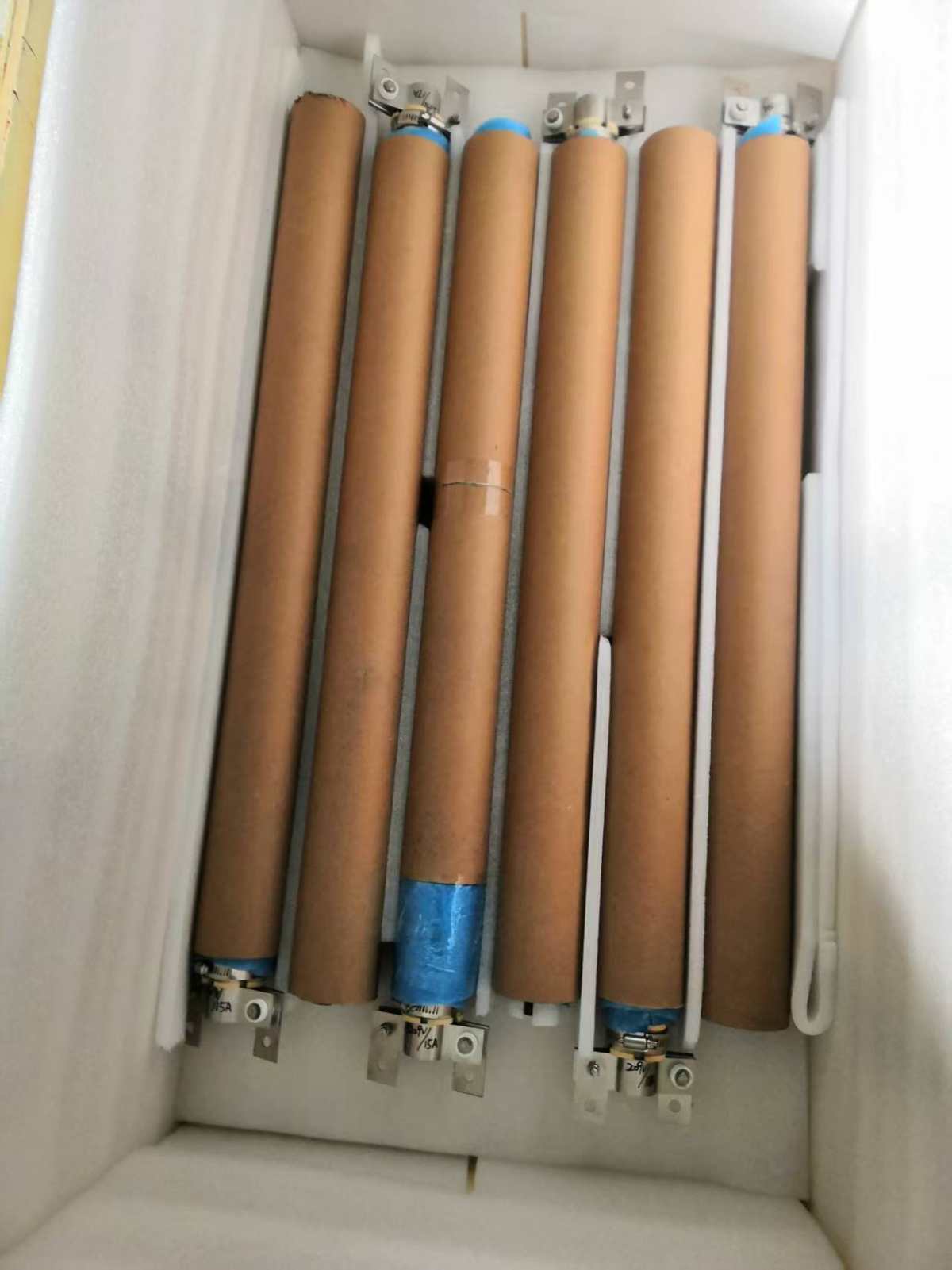
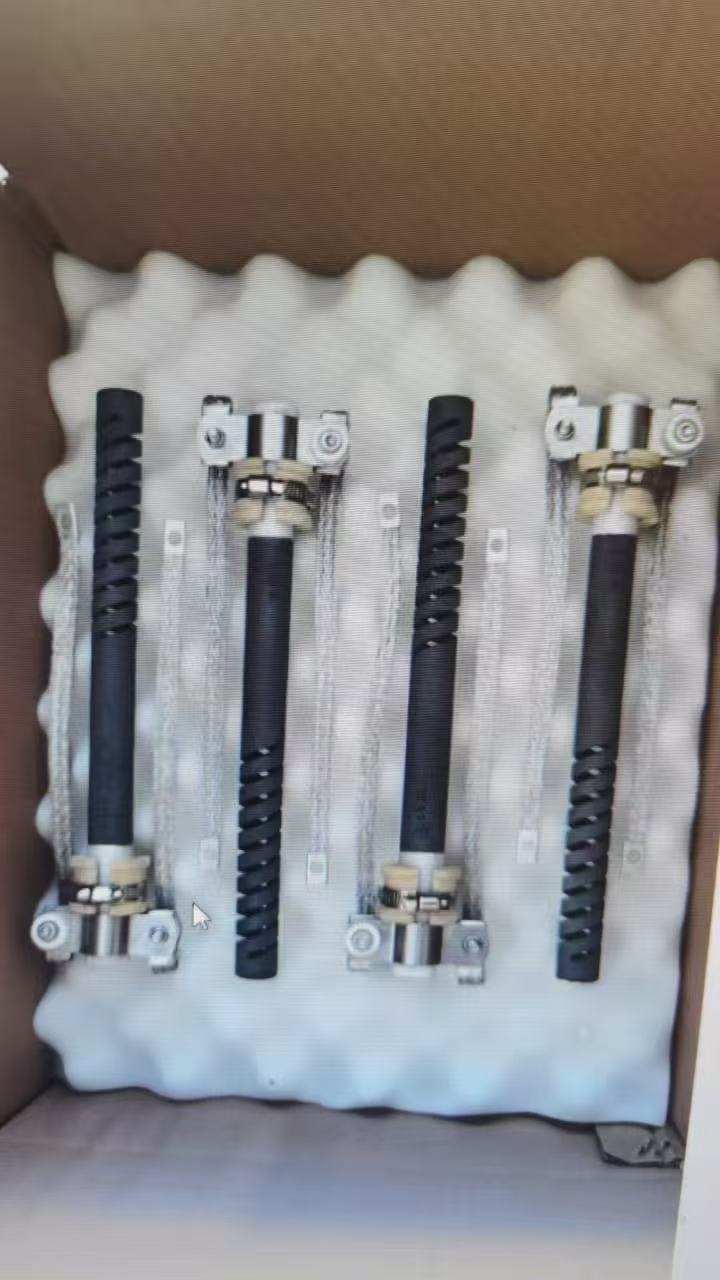
Which furnace designs are candidates for custom dental furnace elements?
The useful distinction is the heating system inside the furnace. Two machines used for the same zirconia restoration can have different element shapes, supply voltages, mounting arrangements and control strategies.
No specific furnace make or model should be regarded as approved solely on the basis of this table. An individual match depends on the original heater specification and confirmation that the replacement can be manufactured and installed safely.
Conventional zirconia sintering furnaces
A furnace that holds zirconia at a high sintering temperature may use exposed or chamber-integrated heating elements positioned around the work zone. If those elements are individually replaceable and made from a material supplied by Jiaxin, a drawing-based replacement is a practical route to investigate.
The element must reproduce more than the visible outline. The position of the hot zone relative to the chamber, the length of the cooler terminal sections and the way the element passes through insulation all affect performance and reliability.
Fast-sintering furnaces
A fast-sintering program places different demands on the complete heating system than a slower cycle. Element suitability depends on the approved heating rate, peak temperature, power reserve, thermal cycling and the furnace’s control response.
A replacement with the same physical dimensions is not automatically suitable for a faster program. The element, insulation, electrical components and zirconia cycle must all be compatible with that program; a custom heater alone does not convert a conventional furnace into a fast-sintering unit.
Furnaces with integrated heater assemblies
Some furnaces use a heater packaged with insulation, supports or other components as one service module. Even if the internal heating material resembles SiC or MoSi₂, the module’s mechanical design and electrical connections may prevent a standalone element from being installed directly.
In such cases, the relevant question is whether the original assembly can be serviced without compromising its insulation, safety clearances or temperature measurement. If it cannot, a custom element may require a redesigned assembly and validation by the party responsible for the furnace.
How element material affects compatibility
Jiaxin’s stated product range includes SiC heating rods and MoSi₂ heating elements. These materials serve high-temperature applications, but they are not interchangeable simply because both can heat a zirconia chamber.
MoSi₂ elements
MoSi₂ elements are used in high-temperature electric furnaces and are available in geometries with a hot section and terminal legs. For a dental furnace originally designed around MoSi₂, the replacement assessment should cover the grade, shape, hot-zone dimensions, terminal arrangement and required electrical characteristics.
The temperature experienced by the element can be higher than the temperature measured in the work chamber. A furnace’s chamber setpoint therefore cannot, by itself, establish whether a particular element grade has adequate temperature capability.
SiC elements
SiC heating elements are also used in high-temperature furnaces, including designs with rod-shaped heaters. Their resistance changes with temperature and can increase during service, so the furnace supply and control system must be suitable for the expected operating range and aging behavior.
For a SiC replacement, matching the cold resistance measured on a used rod is not enough. The original element specification, permissible resistance range, circuit arrangement and available power-control range are needed to assess whether the furnace can operate the new element correctly.
Changing material is a redesign
Replacing MoSi₂ with SiC, or the reverse, can change voltage and current requirements, element loading, connection hardware and heat distribution. It may also affect the control system’s ability to follow the intended cycle.
Such a change should be treated as a furnace redesign, not a routine spare-parts purchase. It calls for engineering review and validation of the complete system, including electrical protection, insulation, temperature control and the resulting sintering process.
Electrical and dimensional checks before ordering
A custom element can fit the mounting holes and still be electrically wrong. Equally, an element with an acceptable electrical rating can fail to heat the chamber properly if its hot section is incorrectly positioned.
Electrical specification
- Supply and circuit: Identify the voltage supplied to the elements, the number of heating zones and whether elements are connected in series, parallel or another arrangement.
- Element rating: Provide the original specified voltage, power and resistance range where available, including the temperature or condition at which resistance is specified.
- Control hardware: Check the capacity and operating range of the power controller, transformer if fitted, switching components, wiring and protective devices.
- Element set: Establish whether the furnace manufacturer requires elements to be replaced or matched as a set. Mixing elements with different resistance histories can affect load sharing.
Resistance measured on a removed element is useful diagnostic information, but it is not necessarily the original design value. Service exposure, damage and measurement temperature can all affect how that number should be interpreted.
Geometry and installation
- Measure the overall length, element diameter or cross-section, leg spacing and terminal dimensions.
- Identify the length and position of the hot zone and any cold-end or terminal sections.
- Document bends, supports, clamps, conductive connections and insulation penetrations.
- Check clearances from chamber walls, insulation, shelves and other elements.
- Confirm orientation and support requirements, including allowance for thermal expansion where applicable.
A dimensioned original drawing is preferable to measurements taken from a broken heater. If only a failed element is available, photographs and measurements should show missing or distorted sections, because damage can make the original shape difficult to reconstruct.
Temperature, atmosphere and zirconia process requirements
The furnace’s maximum displayed temperature is only one part of the thermal specification. The element must also tolerate its own operating temperature, heating and cooling rates, hold duration and repeated cycling under the intended load.
Chamber atmosphere matters because heater materials and their protective surfaces respond differently to gases and contaminants. The assessment should state whether the furnace operates in air or another atmosphere, and whether vapors or residues from furnace contents can reach the elements.
A replacement heater does not establish an approved zirconia sintering cycle. Sintering temperature, hold time, heating rate and cooling profile should remain consistent with the zirconia manufacturer’s instructions and the furnace’s validated capabilities. Altering these conditions can affect the final restoration even when the furnace reaches its setpoint.
Temperature uniformity also deserves attention. A different hot-zone length or heat distribution can produce a satisfactory sensor reading while changing temperatures elsewhere in the chamber. The consequences are especially relevant when several restorations are placed at different positions or when the furnace is operated close to its capacity.
What to send for a compatibility assessment
A complete technical request reduces the risk of receiving an element that is visually similar but unsuitable. The following information gives the manufacturer a stronger basis for checking whether a custom design is feasible:
- Furnace make and model, plus the original element part number if available.
- The original element material and a dimensioned drawing, or clear photographs with reliable measurements.
- Rated supply voltage, element power or resistance specification, number of elements and circuit arrangement.
- Normal and maximum chamber temperatures, intended cycle and operating atmosphere.
- Mounting details, terminal hardware, insulation openings and any restrictions on element replacement.
- The reason for replacement, such as a broken element, rising resistance or uneven heating, together with any relevant fault information.
If the original specifications are incomplete, the element manufacturer and furnace manufacturer may need to resolve gaps before a design is accepted. An inquiry can start with a sample, but a sample by itself does not confirm the correct electrical rating or the condition of the furnace’s controls.
Installation and acceptance: the decision boundary
Element failure can be a symptom of another problem, including damaged insulation, poor connections, unsuitable control settings or a fault elsewhere in the heating circuit. Replacing the heater without checking those conditions can leave the cause unresolved.
Installation should follow the furnace manufacturer’s instructions and be performed by qualified personnel with the power isolated. Clamps, terminal connections, supports and protective devices should be inspected for suitability rather than reused automatically.
Before returning the furnace to production, confirm safe electrical operation and check the temperature-control performance using an appropriate verification procedure. Where restoration quality depends on a validated process, assess chamber temperature uniformity and representative sintering results under the applicable quality system.
The strongest candidates for Jiaxin’s custom elements are therefore replaceable SiC- or MoSi₂-based furnace designs with documented electrical and mechanical specifications. Where those specifications are unavailable, the heater is part of a sealed module, or a material change is proposed, compatibility remains an engineering question—not a promise of interchangeability.