How to correctly use the silicon carbide (SiC) connection tape fixture?
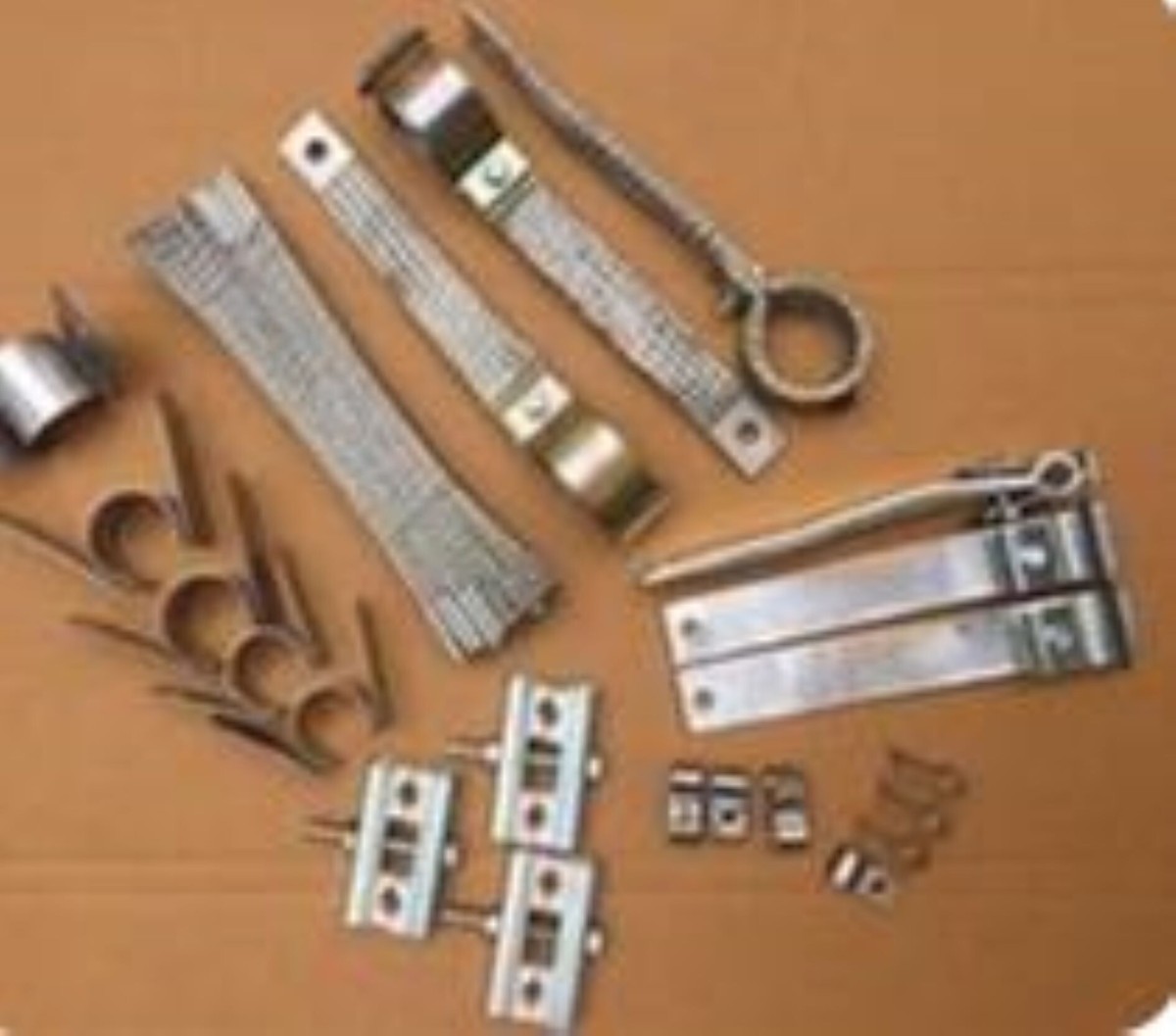
How to Correctly Use Silicon Carbide (SiC) Connection Tape Fixtures
Introduction
In high-temperature industrial furnaces, heating elements are only one part of the complete heating system. To ensure stable electrical connection, reliable mechanical support, and convenient maintenance, suitable clamps, holders, and connection fixtures are also essential. This is especially important for equipment using silicon carbide heating elements and Silicon Molybdenum Rods.
A properly installed connection fixture helps maintain a secure electrical connection between the power supply and the heating element. Poor installation may lead to overheating, unstable current, increased contact resistance, damaged terminals, or premature failure of the heating element.
This article explains how to correctly select, install, use, inspect, and maintain SiC connection tape fixtures. It also introduces the role of SiC heater clamps, heating element fixtures, SiC heating element holders, and other important accessories used in high-temperature industrial equipment.
1. What Is a Silicon Carbide Heating Element Connection Fixture?
A connection fixture is a mechanical and electrical accessory used to connect heating elements with power supply conductors. In silicon carbide heating systems, the fixture is generally installed around the cold end of the heating element.
The main purpose of the fixture is to provide:
· Stable electrical contact
· Secure mechanical connection
· Reduced contact resistance
· Convenient installation and replacement
· Reliable current transmission
· Easy maintenance
For equipment using silicon carbide heating elements, the connection system must be carefully designed. The heating element operates at extremely high temperatures, while the connection point must remain as stable and cool as possible.
Different designs of SiC heating element holders may be used according to the element diameter, furnace structure, current load, and installation position.
A properly selected fixture can significantly improve the reliability of the heating system and reduce maintenance costs.
2. Why Is Correct Installation Important?
Incorrect installation is one of the common causes of heating system problems.
If SiC heater clamps are installed too loosely, electrical resistance may increase at the connection point. This can generate excessive heat and cause oxidation or damage to the clamp and terminal.
If the clamp is installed too tightly, excessive mechanical pressure may damage the heating element, especially during thermal expansion and contraction.
Therefore, furnace heating element clamps should provide reliable contact without creating unnecessary stress.
Correct installation helps achieve:
· Stable electrical current
· Lower contact resistance
· Reduced overheating
· Longer heating element service life
· Easier replacement and maintenance
The same principle also applies to heating systems using Silicon Molybdenum Rods and MoSi₂ heating elements. Reliable electrical and mechanical connection is essential for stable operation.
3. Select the Correct Fixture According to Heating Element Size
Before installation, the first step is to confirm the heating element diameter and terminal dimensions.
Different sizes of silicon carbide heating elements require different clamp sizes. A fixture that is too large may not provide sufficient electrical contact, while a fixture that is too small may damage the element.
Important information includes:
· Heating element diameter
· Cold end diameter
· Heating element type
· Current load
· Installation direction
· Furnace wall thickness
· Terminal position
Professional suppliers can provide customized heating element fixtures according to the actual dimensions of the furnace.
For replacement projects, it is recommended to measure the original element and clamp before placing an order.
A properly matched fixture ensures that the heating element remains securely positioned while maintaining good electrical conductivity.
4. Prepare the Heating Element Before Installation
Before installing the clamp, carefully inspect the heating element.
The cold end should be clean and free from excessive oxidation, dust, or contamination. A contaminated contact surface can increase electrical resistance.
Before installation, check:
· Whether the heating element is cracked
· Whether the cold end is damaged
· Whether the terminal surface is clean
· Whether the clamp is deformed
· Whether the connection conductor is damaged
The connection surface should be properly cleaned before installing SiC heating element holders.
However, excessive grinding or mechanical force should be avoided because it may damage the surface of the heating element.
For MoSi₂ heating elements, the same inspection procedure is recommended. The terminal area should be carefully protected during transportation and installation.
5. Correctly Position the SiC Heater Clamp
The SiC heater clamps should normally be installed on the cold end of the heating element, outside the main high-temperature heating zone.
The exact position depends on the furnace design and heating element structure.
The clamp should not be installed directly on the active heating section. This can expose the connection fixture to excessive temperature and reduce its service life.
When installing the clamp:
1. Position the heating element correctly.
2. Confirm that the cold end is properly aligned.
3. Place the clamp around the designated connection area.
4. Ensure full and even contact.
5. Tighten the fixture gradually.
6. Avoid excessive tightening force.
7. Connect the electrical conductor securely.
Correct positioning is particularly important for furnace heating element clamps used in continuous production furnaces.
A properly installed clamp should provide reliable contact while allowing for normal thermal expansion.
6. Avoid Excessive Mechanical Pressure
One of the most important rules when installing heating element fixtures is to avoid excessive pressure.
Silicon carbide is a strong material, but it can also be relatively brittle compared with metallic heating conductors.
Over-tightening SiC heater clamps may cause:
· Surface damage
· Cracking
· Mechanical stress
· Reduced service life
· Unexpected element failure
The clamp should be tightened enough to provide stable electrical contact but should not crush or deform the heating element.
This principle is also important when installing MoSi₂ rod clamps on Silicon Molybdenum Rods.
During heating and cooling cycles, the element and furnace structure may expand at different rates. The connection system should therefore allow appropriate movement.
7. Ensure Good Electrical Contact
The electrical connection between the clamp and heating element should have low resistance.
Poor contact can cause localized overheating.
Common signs of poor electrical contact include:
· Discoloration of the clamp
· Excessive heating at the terminal
· Burned connection points
· Unstable furnace temperature
· Voltage imbalance
· Increased power consumption
To maintain reliable performance, high temperature heating element connectors should be inspected regularly.
The connection conductor should also have sufficient cross-sectional area to carry the required current.
For large industrial equipment, the electrical connection system may include clamps, aluminum braid, bus bars, and flexible connectors.
These components work together as important industrial furnace accessories.
8. Allow for Thermal Expansion
High-temperature heating systems experience continuous expansion and contraction.
When the furnace temperature increases, the heating element and supporting structure may expand. If the fixture is completely rigid, excessive mechanical stress can occur.
For this reason, high-temperature furnace fixtures should be designed to support the element while allowing reasonable thermal movement.
Do not force the heating element into a position where it is under constant bending or mechanical stress.
The installation should allow the element to remain properly aligned inside the furnace.
This is especially important for long silicon carbide heating elements and large MoSi₂ heating elements used in high-capacity furnaces.
9. Keep Connection Components Outside Excessive Heat
Although the heating element is designed for high temperatures, the electrical connection components may have lower temperature limits.
Whenever possible, kiln heater clamps and electrical terminals should be located outside the main heating chamber.
Proper insulation and furnace wall design can help reduce heat transfer to the connection area.
If the connection temperature becomes too high, the following problems may occur:
· Oxidation
· Reduced conductivity
· Clamp deformation
· Cable insulation damage
· Loose connections
Correct placement of high-temperature furnace fixtures helps extend the service life of both the heating element and the electrical accessories.
10. Use Matching Clamps for Silicon Carbide and MoSi₂ Elements
Different heating elements may require different connection systems.
For example, Silicon Molybdenum Rods and MoSi₂ heating elements may use connection structures that differ from standard silicon carbide elements.
Therefore, buyers should not assume that one clamp design is suitable for every heating element.
When ordering accessories, provide:
· Heating element material
· Element type
· Diameter
· Current
· Voltage
· Furnace model
· Installation position
A correctly selected MoSi₂ rod clamp helps maintain stable electrical contact without damaging the heating element.
Similarly, SiC heating element holders should match the specific dimensions and operating conditions of the silicon carbide element.
Using properly matched accessories can improve safety and reduce replacement frequency.
11. Regular Inspection and Maintenance
Regular maintenance is essential for industrial heating systems.
During scheduled furnace maintenance, inspect all furnace heating element clamps and electrical connections.
Check for:
· Loose bolts
· Oxidation
· Surface damage
· Discoloration
· Deformed clamps
· Burned connection points
· Damaged cables
· Abnormal temperature increase
Replace damaged electric furnace spare parts before they cause additional problems.
It is also recommended to check the resistance of the heating elements and compare the values between elements in the same heating zone.
A significant difference in resistance may indicate element aging or connection problems.
Regular inspection of high temperature heating element connectors can prevent unexpected furnace shutdowns.
12. Common Installation Mistakes to Avoid
Several common mistakes can reduce the service life of heating elements and fixtures.
Installing the Clamp Too Tightly
Excessive force can damage the heating element or create mechanical stress.
Installing the Clamp Too Loosely
A loose connection can increase electrical resistance and generate excessive heat.
Using the Wrong Clamp Size
The clamp should match the diameter and terminal structure of the heating element.
Installing the Fixture in the Hot Zone
Connection accessories should generally remain outside the highest-temperature area.
Ignoring Thermal Expansion
The heating element must be allowed to expand and contract naturally.
Mixing Incompatible Accessories
Different industrial furnace accessories are designed for different heating element materials and operating conditions.
Avoid using unsuitable electric furnace spare parts simply because they appear similar.
13. Applications of SiC Connection Fixtures
Connection fixtures are widely used in many types of thermal equipment.
Typical applications include:
· Ceramic kilns
· Glass furnaces
· Metallurgical furnaces
· Heat treatment equipment
· Powder sintering furnaces
· Laboratory furnaces
· Industrial electric heaters
In these applications, kiln heater clamps and other heating element accessories help provide stable electrical connections.
A complete furnace heating system may include silicon carbide heating elements, clamps, holders, terminal connectors, aluminum braided straps, transformers, and temperature control equipment.
These components must work together to achieve reliable heating performance.
14. How to Choose a Reliable Supplier
When purchasing SiC heater clamps, buyers should select a supplier that understands both heating elements and furnace connection systems.
A professional supplier should be able to provide:
· Standard clamp sizes
· Customized fixtures
· Technical drawings
· Material recommendations
· SiC and MoSi₂ connection accessories
· Replacement support
· Quality inspection
For specialized furnaces, customized heating element fixtures may be required.
The supplier should be able to recommend suitable SiC heating element holders, MoSi₂ rod clamps, and related connection accessories according to the customer’s furnace design.
Providing photographs, drawings, or samples of the existing components can help ensure accurate production.
Conclusion
Correct use of a silicon carbide connection tape fixture is essential for the safe and efficient operation of industrial heating equipment. A properly selected and installed clamp provides stable electrical contact, reduces overheating, minimizes mechanical stress, and helps extend the service life of the heating element.
When installing silicon carbide heating elements, always select the correct clamp size, clean the contact surface, avoid excessive tightening, maintain reliable electrical contact, and allow for thermal expansion.
For systems using Silicon Molybdenum Rods or MoSi₂ heating elements, dedicated connection accessories should also be selected according to the element structure and electrical requirements.
Regular inspection of SiC heater clamps, furnace heating element clamps, and other industrial furnace accessories can help prevent unexpected failures and reduce maintenance costs.
By choosing high-quality high-temperature furnace fixtures, properly matched electric furnace spare parts, and reliable high temperature heating element connectors, furnace operators can maintain stable performance and improve the overall efficiency and reliability of their heating systems.