Maximizing SiC & MoSi2 Heating Efficiency
At jiaxin, we recognize that strong thermal processing demands more than just reliable equipment; it calls for a reliable ally who grasps the principles of toughness. As a leading silicon carbide rods and MoSi2 heating elements supplier with more than 20 years of research and development knowledge, Jiaxin has created fixes that tackle these typical weak spots. Our goal is to equip worldwide brand leaders with the skills required to lengthen the lifespan of elements and boost the performance of kilns.
Prolonging the Life of the Silicon Carbide Rod
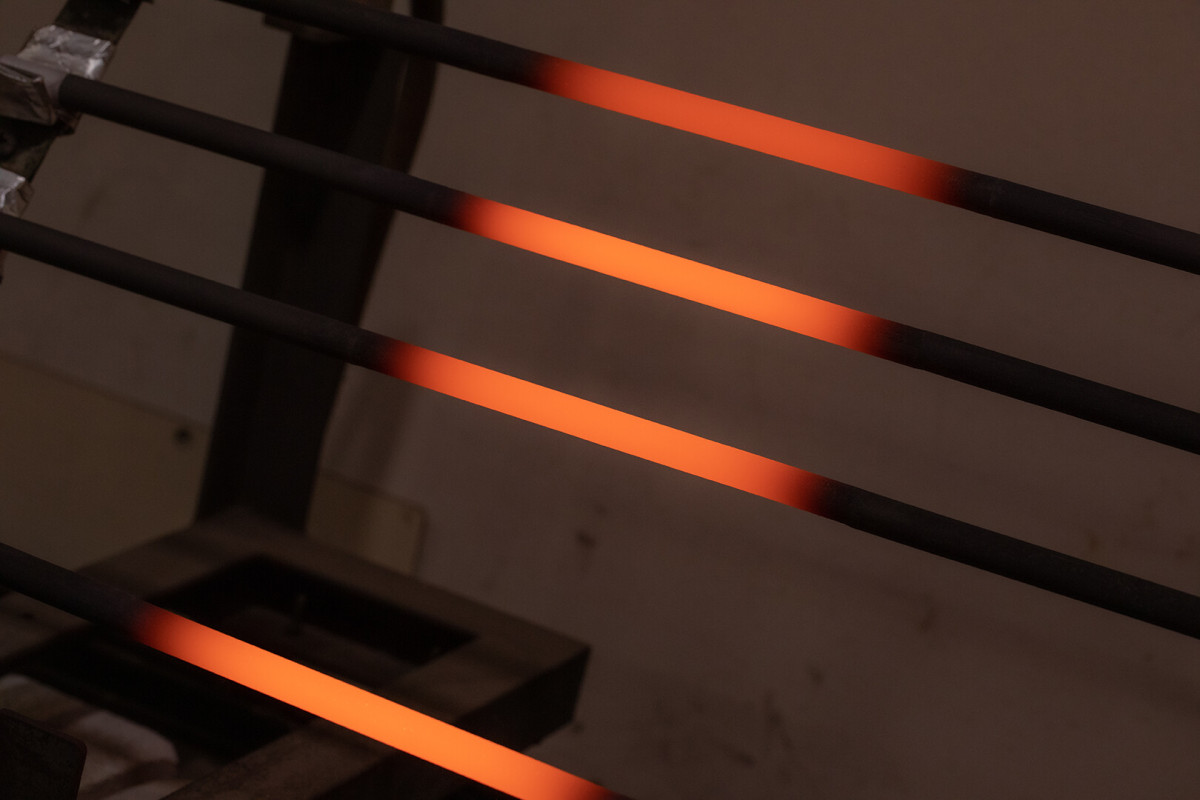
The main difficulty with any silicon carbide rod lies in "aging," which means the slow rise in electrical resistance due to the oxidation of SiC particles into a SiO₂ layer. Although this layer offers certain safeguards, its ongoing buildup eventually blocks the flow of current.
Strategies to Combat Aging and Corrosion
To get the best results from a silicon carbide rod, those who operate it must carefully manage the surface load and the air inside the furnace. Elevated surface heat speeds up oxidation, so, for example, when the furnace reaches 1400°C, it is wise to limit the surface load to under 5 W/cm² for better durability. Moreover, dampness acts as a hidden threat. Water vapor combines with SiC under intense heat to produce SiO₂ and hydrogen gas, which makes the resistance jump and causes ongoing harm.
Jiaxin deals with these issues via our SiC heating elements. We use pure green hexagonal silicon carbide (purity ≥ 98.5%) and a 2200°C recrystallization sintering method, so we make dense rods with a porosity below 20%. In addition, we supply special anti-oxidant layers, can stretch the working life of a silicon carbide rod by over 1.5 times when compared to basic ones without coatings.
Optimal Electrical Management
A frequent error in business-to-business use is overlooking the growth in resistance when planning the circuit. As a trusted silicon carbide rods and MoSi2 heating elements supplier, Jiaxin suggests employing voltage-adjusting transformers that have double the needed voltage capacity. This setup lets users increase the voltage as the element grows older, so they can keep the heating power steady. In arrangements with several elements, it is essential to pair the resistance of each silicon carbide rod so it stays within a ±5% range; otherwise, uneven loads might cause hot spots in certain areas.
Advanced Maintenance for the MoSi2 Heating Element
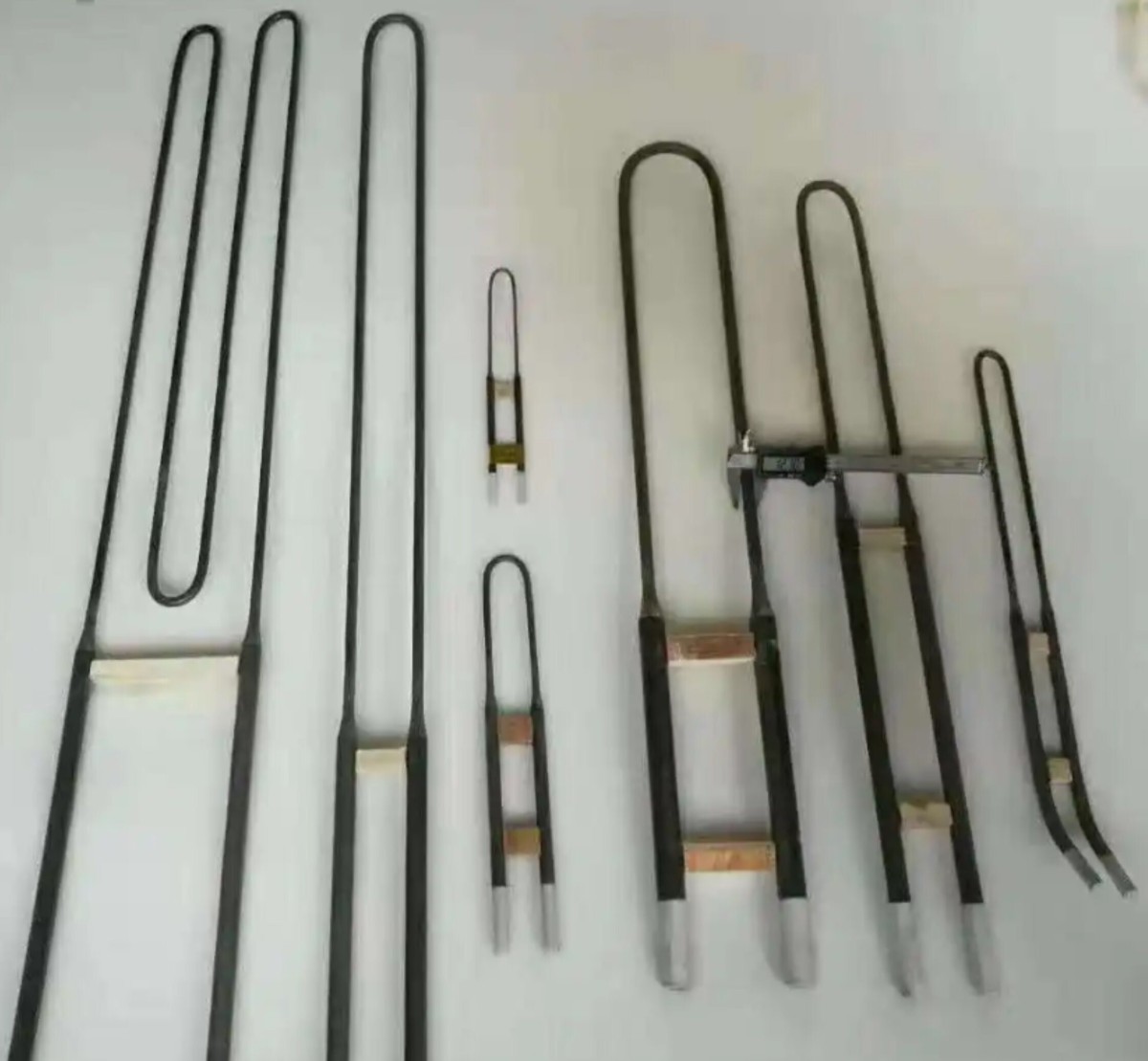
The MoSi2 heating element plays a key role in very hot applications that go up to 1800°C. Yet, its fragile nature, like ceramics, and special chemical traits demand careful attention to prevent breaks from force or reactions.
Avoiding the Pesting Phenomenon
One of the worst troubles for users is pesting, the breakdown from oxidation at low heat that happens between 400°C and 700°C. Within this span, the shielding SiO₂ layer fails to develop well, which lets oxygen seep into the edges of grains and crumble the material.
The fix that Jiaxin Super MS18 elements offer includes speeding through this risky heat range at startup. For big furnaces that need extended drying periods, it helps to leave the furnace door open for air flow and rely on other warming sources for the early drying stage; this shields the MoSi2 heating element from long stays in conditions that promote low-heat oxidation.
Structural Integrity and Installation
Since the MoSi2 heating element turns soft at extreme heat, it risks bending or drooping if support is lacking. Jiaxin advises a vertical hanging approach for installation. Users can prevent stress on the warming part by choosing dedicated holders and making sure the element hangs straight. Also, the linking bands should allow movement; clamps that are too firm might limit the rod's normal swelling and shrinking with temperature changes, resulting in cracks over cycles of heat and cool.
Solution-Driven Case Studies
In 2023, a significant business ally from India came to our manufacturing site to address a "bubbling" problem they had with elements from other providers. Our experts pinpointed that impurities of iron and faulty welding in those prior elements were harming the SiO₂ shielding layer. After they adopted Jiaxin Super elements, which include extremely pure materials and a special welding technique for a flat surface without bubbles, the partner enjoyed a reliable lifespan of over 5000 hours in their furnaces with inert air.
As your committed silicon carbide rods and MoSi2 heating elements supplier, we deliver complete technical guidance, such as designs for circuits and estimates of power use, ensuring your setup runs at top performance right away.
Why Partner with Jiaxin?
Jiaxin stands as more than a maker; we rank among the three biggest makers of high-heat heating elements globally, controlling 70% of the market in China and shipping to over 40 nations.
To achieve the highest output in your heat-based operations, you need a solid grasp of the materials involved. Whether it involves handling the aging of a silicon carbide rod with exact voltage adjustments or guarding a MoSi2 heating element against crumbling at low temperatures, proper upkeep strategies are vital. When you select Jiaxin, you benefit from the densest ceramics on the market and the latest coating methods available today.
Contact Jiaxin to optimize your high-temperature production today.